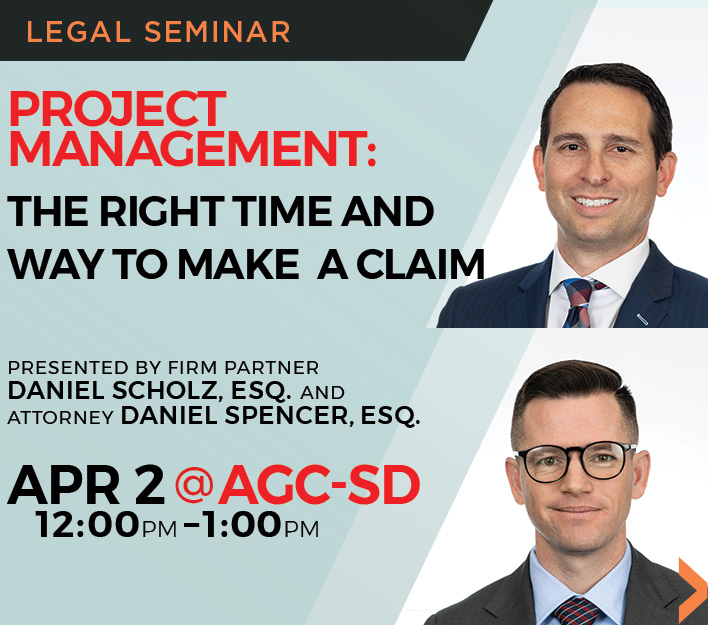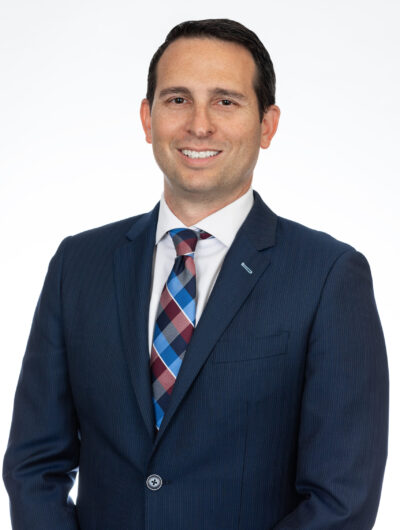
Daniel P. Scholz
Partner
Combined with a highly detailed strategic view of the law and the firm’s aggressive representation approach, Dan readily understands what needs to be accomplished to settle or win a dispute.
Dan Scholz is an effective negotiator and litigator who works with construction company owners, employers, and general contractors and subcontractors. He has broad construction industry experience pertaining to claims, collections, lease-leaseback negotiations and disputes, and conflict of interest litigation and transactional matters.
The majority of Dan’s legal experience is exclusive to construction industry matters, so he is very knowledgeable about construction company operations, industry practices, and clients’ cost concerns. Combined with a highly detailed strategic view of the law and the firm’s aggressive representation approach, Dan readily understands what needs to be accomplished to settle or win a dispute.
DELAY, INEFFICIENCY, AND EXTRA WORK CLAIMS
For general contractors and subcontractors, work delays and disputes over liquidated damages and cost overruns are common; together they can undermine the best intentions of either party. Well-versed in the preparation of delay and extra work claims for public and private owners, Dan understands the facts and evidence necessary to prove such claims. He also understands that maintaining healthy business relationships is often as important — if not more so — than purely resolving matters monetarily. With Dan in your corner, client frustrations are minimized, disputes are mitigated, and amicable resolutions are achieved.
LIENS, STOP PAYMENT NOTICES, AND BOND CLAIMS
No business owner is immune from the frustrations caused by delayed, disputed, or withheld payments. In the complex construction industry, however, they can prove disastrous if not promptly resolved. Because Dan has experience pursuing stop payment notices and Miller Act payment bond claims on a daily basis, claims are usually settled quickly with a cost-effective strategy. When they are not, Dan aggressively accelerates the matter to the next stage of the litigation process.
LEASE-LEASEBACK NEGOTIATIONS AND DISPUTES
The legal statutes that govern lease-leaseback provisions of school construction projects are complex. It is why Dan’s successful track record in negotiating over $100 million in lease-leaseback contracts is so valuable; he was also involved in recent legislative amendments to California’s lease-leaseback laws. His deep understanding of this unique delivery method — including options for best structuring these transactions so they are cost-effective and in accordance with the law — can be an education all its own. It can also help to ensure your lease-leaseback project gets started on a solid foundation.
CONFLICT OF INTEREST ISSUES
Navigating California’s complicated conflict of interest laws between private parties and public entities are a challenge to contractors and consultants alike. Dan’s experience defending these matters — at trial and appellate court levels — is invaluable. Clients benefit in two ways. First, they gain first-hand compliance knowledge about the potential risks and liabilities that can occur from conflicts. Second, they benefit from the proactive strategies Dan can offer to help manage or minimize those risks. If your business is wrestling with conflict of interest issues, a call to Dan Scholz and Finch, Thornton & Baird, LLP should put your mind at ease.
- Construction litigation
- Public works of improvement and government contracts, including projects with local public agencies, cities, counties, state agencies, and federal government
- Delay, inefficiency, and extra work claims
- Coordination with schedule, design, accounting, and subject matter experts on construction claims
- Contract defaults
- Surety obligations
- Mechanic’s liens
- Stop payment notices
- Payment bond claims
- Performance bond claims
- Requests for equitable adjustments (REAs)
- Contract Disputes Act claims
- Miller Act claims
- Counsel on specialized delivery methods, including lease-leaseback and construction management at-risk projects
- Transactional matters specializing in the drafting and review of construction project agreements and public procurement compliance
- Local, state, and federal bid protests
- General business litigation
- Wage and hour class action defense
- Conflict of interest claims
In a general contractor versus subcontractor dispute, the firm challenged the general contractor’s license status contending the Responsible Managing Officer did not meet the statutory requirements of that role, resulting in the contractor not being duly licensed. The Arbitrator agreed and barred the general contractor’s claim.
Counsel: P. Randolph Finch Jr., Esq., Daniel P. Scholz, Esq. and Matthew D. Seeley, Esq.
The firm represented a national non-profit dedicated to assisting black contractors in the construction industry. The firm’s client was sued by a homeowner under an alter-ego theory related to a dispute between the homeowner and an unrelated contractor. The homeowner brought numerous causes of action against the client, including financial elder abuse under Welfare & Institutions Code section 15610.30; unfair business practices under Business & Professions Code section 17200; breach of contract; breach of fiduciary duty; negligence; negligence per se; intentional misrepresentation; negligent misrepresentation; gender discrimination; and false promise. The firm successfully brought a motion for summary judgment against all of the homeowner’s claims, resulting in a complete victory for the firm’s client.
Counsel: Daniel P. Scholz, Esq. and Matthew D. Seeley, Esq.
The firm’s client was the second low bidder on a roughly $760,000.00 public works project. The firm filed a bid protest on behalf of the client, contending the apparent low bidder must be disqualified as non-responsive on the grounds it failed to acknowledge the four pre-bid addenda published by the public entity on its bid form and as required by the bid documents. The public entity granted the protest, disqualified the low apparent bidder, and awarded the project to the firm’s client.
Counsel: Daniel P. Scholz, Esq. and Matthew D. Seeley, Esq.
The firm represented the prime contractor in a claim by a school district that the installed window system was defective. The firm reviewed the installation of the windows to confirm the product and method of installation complied with the contract documents.
The firm took an aggressive position that the design was defective and was the sole reason for the window system failure. After multiple-rounds of meetings and a mediation, the firm was able to successfully negotiate a settlement with no out-of-pocket payment by the prime contractor and the cost of replacement and repair covered by the project architect.
Counsel: Jeffrey B. Baird and Daniel P. Scholz
The firm represented a general contractor in a dispute with a subcontractor on a public works construction project. Disputes arose because the subcontractor failed to provide certified payroll documentation, bonds, and failed to meet schedule requirements. Due to these problems, the general contractor withheld funds from the subcontractor. The subcontractor sued the general contractor and its sureties for breach of contract, fraud, and prompt payment penalties. As part of its claim, the subcontractor asserted a claim for over $8 million in lost profits allegedly caused by the general contractor. During litigation, the firm discovered the subcontractor’s California contractor’s license had been suspended during a period of the project because the subcontractor had let its workers’ compensation coverage expire and had failed to obtain new coverage. Unbeknownst to the general contractor, the subcontractor worked without insurance, exposing both its employees and the general contractor to significant risk. The subcontractor was able to obtain a meaningless workers’ compensation insurance policy years after the work had been performed and convinced the California State License Board (CSLB) to retroactively reinstate its license.
The case proceed to trial. At trial, the firm was able to prove the license reinstatement request to the CSLB was fraudulent. The subcontractor claimed its lack of workers’ compensation insurance was due to circumstances beyond its control. However, the firm proved coverage had been cancelled because of a payment dispute between the subcontractor and the workers’ compensation insurance carrier. Further, the firm proved the subcontractor knew its coverage was canceled and its license was suspended by the CSLB, but continued to perform work on the project with a suspended license and no workers’ compensation insurance. As a result of the firm’s efforts, the trial court found the subcontractor was not properly licensed and was barred from any recovery. Additionally, the trial court awarded the firm’s client all of its attorneys’ fees and costs to defend the lawsuit. The subcontractor appealed.
The Fourth District Court of Appeal agreed with the firm and affirmed the judgment in favor of the general contractor. The court recognized that the subcontractor was not duly licensed at all times and its false representations to the CSLB to obtain reinstatement were insufficient to avoid the consequences of Business and Professions Code section 7031.
A copy of the published decision can be viewed here.
Am. Bldg. Innovation Lp v. Balfour Beatty Constr. (Sep. 3, 2024, Nos. G062471, G062965) ___Cal.App.5th___ [2024 Cal. App. LEXIS 543]
Counsel: Jason R. Thornton, Daniel P. Scholz, and Scott M. Bennet
The firm represented a general engineering contractor in presenting and proving differing site condition claims related to a utility vault in the way of road improvements for a City project. The firm assisted the client in the delay and cost analysis. The firm then mediated a mid-project recovery and schedule reset —preventing the client from long-term financing of the City’s liability.
Counsel: P. Randolph Finch Jr., Daniel P. Scholz, and Matthew D. Seeley
The firm’s client was terminated by a City for default for not proceeding with massive dewatering work necessary for a new pipeline project, and the City made demand on the client’s performance bond surety to complete the work. The firm promptly analyzed the situation and made demand on the City for material breach for failure to provide any geotechnical or subsurface water information pre-bid, including failure to define a dewatering scope in the bid documents and contract. The firm also convinced the client’s surety to back the client’s position and refuse to honor the performance demand. The City was persuaded to convert the termination from default to one for convenience, and the client was paid for its work. The client’s surety was so impressed with the firm’s efforts, it waived its fee reimbursement claim against the client.
Counsel: P. Randolph Finch Jr. and Daniel P. Scholz
The firm successfully represented its client in negotiating a multi-year water treatment plant operating contract with a public entity. The firm was able to negotiate clear requirements on the scope of work as well as defining legal boundaries to safeguard the client against unforeseen environmental or facility contingencies, including robust escalation clauses and fee structures to protect the client’s margin.
Counsel: Daniel P. Scholz
The firm successfully represented a preferred equity investor in a high-profile mid-rise mixed use development project, safeguarding the complete recovery of the $2 million preferred equity investment. In this transaction, the firm’s meticulous structuring and assertive advocacy in handling intercreditor and partnership issues ensured the client was paid in full, protecting their principal, and securing the achieved returns in the development.
Counsel: P. Randolph Finch Jr. and Daniel P. Scholz
The firm successfully acted as Project Counsel to a residential multi-tenant owner during a nearly two-year dispute involving significant project delays caused by a poorly performing general contractor. The firm assisted the owner in rebutting delay and extra work claims by the general contractor. With the firm’s help, the Owner successfully closed out the Project while assessing actual and liquidated damages against the contractor’s remaining contract balance, all while avoiding litigation.
Counsel: Daniel P. Scholz and Matthew D. Seeley
The firm represented a company who uncovered an internal fraud scheme involving an employee’s misuse of a company-issued credit card. The employee had stolen company property for personal gain. The firm assisted the client in investigating the misconduct, reporting the theft to law enforcement, and filed a lawsuit against the employee. The employee agreed to a favorable settlement for the firm’s client immediately after service of the lawsuit.
Counsel: P. Randolph Finch Jr., Daniel P. Scholz, and Matthew D. Seeley
The firm was retained by a minority shareholder to resolve a management dispute over the direction of a food and beverage company it was heavily invested in. The firm negotiated an agreement among the three owners and managers to restate the operating agreement to allow non-unanimous management decisions and reduce personal exposure to company debts, to allow the company to move forward profitably and grow. The company has operated successfully since. Based on the firm’s efforts, management terminated its prior law firm and retained the firm to counsel it in future endeavors.
Counsel: P. Randolph Finch Jr., Daniel P. Scholz, and Matthew D. Seeley
The firm’s client was the second low bidder on a roughly $49 million dollar public works project. The firm filed a bid protest on behalf of the client, contending the apparent low bidder must be disqualified on the grounds it lacked the necessary California contractor’s license at the time of the bid. Although the public entity owner’s Bid Documents only required bidders to hold the required license by the time the project was awarded, the firm successfully argued the public entity must disqualify the apparent low bidder under Business and Professions Code, section 7028.15, subdivision (e) which requires bidders to be licensed at the time of the bid on projects only involving state or local funds. The public entity granted the protest, disqualified the low apparent bidder, and awarded the project to the firm’s client.
Counsel: P. Randolph Finch Jr., Daniel P. Scholz & Matthew D. Seeley
The firm represented a general contractor in a dispute with a subcontractor on a public works construction project. Disputes arose because the subcontractor failed to provide certified payroll documentation, bonds, and failed to meet schedule requirements. Due to these problems, the general contractor withheld funds from the subcontractor. The subcontractor sued the general contractor and its sureties for breach of contract, fraud, and prompt payment penalties. As part of its claim, the subcontractor asserted a claim for over $8 million in lost profits allegedly caused by the general contractor. During litigation, the firm discovered the subcontractor’s California contractor’s license had been suspended during a period of the project because the subcontractor had let its workers’ compensation coverage expire and had failed to obtain new coverage. Unbeknownst to the general contractor, the subcontractor worked without insurance, exposing both its employees and the general contractor to significant risk. The subcontractor was able to obtain a meaningless workers’ compensation insurance policy years after the work had been performed and convinced the California State License Board (CSLB) to retroactively reinstate its license.
The case proceed to trial. At trial, the firm was able to prove the license reinstatement request to the CSLB was fraudulent. The subcontractor claimed its lack of workers’ compensation insurance was due to circumstances beyond its control. However, the firm proved coverage had been cancelled because of a payment dispute between the subcontractor and the workers’ compensation insurance carrier. Further, the firm proved the subcontractor knew its coverage was canceled and its license was suspended by the CSLB, but continued to perform work on the project with a suspended license and no workers’ compensation insurance. As a result of the firm’s efforts, the trial court found the subcontractor was not properly licensed and was barred from any recovery. Additionally, the trial court awarded the firm’s client all of its attorneys’ fees and costs to defend the lawsuit. The subcontractor appealed.
The Fourth District Court of Appeal agreed with the firm and affirmed the judgment in favor of the general contractor. The court recognized that the subcontractor was not duly licensed at all times and its false representations to the CSLB to obtain reinstatement were insufficient to avoid the consequences of Business and Professions Code section 7031.
A copy of the published decision can be viewed here.
Am. Bldg. Innovation Lp v. Balfour Beatty Constr. (Sep. 3, 2024, Nos. G062471, G062965) ___Cal.App.5th___ [2024 Cal. App. LEXIS 543]
Counsel: Jason R. Thornton, Daniel P. Scholz, and Scott M. Bennet
The firm represented a general contractor in a dispute with a subcontractor on a public works construction project. Disputes arose because the subcontractor failed to provide certified payroll documentation, bonds, and failed to meet schedule requirements. Due to these problems, the general contractor withheld funds from the subcontractor. The subcontractor sued the general contractor and its sureties for breach of contract, fraud, and prompt payment penalties. As part of its claim, the subcontractor asserted a claim for over $8 million in lost profits allegedly caused by the general contractor. During litigation, the firm discovered the subcontractor’s California contractor’s license had been suspended during a period of the project because the subcontractor had let its workers’ compensation coverage expire and had failed to obtain new coverage. Unbeknownst to the general contractor, the subcontractor worked without insurance, exposing both its employees and the general contractor to significant risk. The subcontractor was able to obtain a meaningless workers’ compensation insurance policy years after the work had been performed and convinced the California State License Board (CSLB) to retroactively reinstate its license.
The case proceed to trial. At trial, the firm was able to prove the license reinstatement request to the CSLB was fraudulent. The subcontractor claimed its lack of workers’ compensation insurance was due to circumstances beyond its control. However, the firm proved coverage had been cancelled because of a payment dispute between the subcontractor and the workers’ compensation insurance carrier. Further, the firm proved the subcontractor knew its coverage was canceled and its license was suspended by the CSLB, but continued to perform work on the project with a suspended license and no workers’ compensation insurance. As a result of the firm’s efforts, the trial court found the subcontractor was not properly licensed and was barred from any recovery. Additionally, the trial court awarded the firm’s client all of its attorneys’ fees and costs to defend the lawsuit. The subcontractor appealed.
The Fourth District Court of Appeal agreed with the firm and affirmed the judgment in favor of the general contractor. The court recognized that the subcontractor was not duly licensed at all times and its false representations to the CSLB to obtain reinstatement were insufficient to avoid the consequences of Business and Professions Code section 7031.
A copy of the published decision can be viewed here.
Am. Bldg. Innovation Lp v. Balfour Beatty Constr. (Sep. 3, 2024, Nos. G062471, G062965) ___Cal.App.5th___ [2024 Cal. App. LEXIS 543]
Counsel: Jason R. Thornton, Daniel P. Scholz, and Scott M. Bennet
The firm represented a subcontractor who had not received full payment for work performed on a large hotel construction project in downtown San Diego. To protect the subcontractor’s collection rights, the firm recorded a mechanic’s lien against the hotel property for slightly more than $1,500,000 and served a bonded stop payment notice on the project’s construction lender. The subcontractor’s payment dispute included more than 370 outstanding or contested change order claims. The firm conducted extensive oral and written discovery with both the general contractor and the property owner regarding the subcontractor’s claims. Following percipient witness discovery, the firm successfully negotiated a settlement for its client. The settlement payments—totaling over $2,200,000—were guaranteed by the general contractor’s surety.
Counsel: P. Randolph Finch Jr., Jeffrey B. Baird, and Cory P. DiBene
The firm represented a subcontractor on a private construction project. During the subcontractor’s work on the project, the prime contractor directed the subcontractor to perform millions of dollars of extra work, failed to secure timely payment from the owner, and tried to force the subcontractor to finance the work until the owner paid. The firm filed suit against the prime contractor and its payment bond surety at the first opportunity. The prime contractor filed a retaliatory cross-complaint against the firm’s client and its performance bond surety. Through timely and aggressive litigation, including extensive discovery to the prime contractor, the firm obtained a settlement favorable to the client, resulting in payment to the subcontractor and a dismissal of the cross-complaint.
Counsel: Daniel P. Scholz, and Matthew D. Seeley
The firm represented the owner of a Southern California hotel. Construction of the hotel had significant delay and cost overruns, in part, because of design errors and omissions. The firm represented the owner in a lawsuit with the hotel’s architect. After extensive discovery and mediation, the firm obtained a favorable settlement in the client’s favor on the eve of trial.
Counsel:, Daniel P. Scholz, and Matthew D. Seeley
The firm represented a general contractor bridge builder against a specialty design-build subcontractor in a lawsuit. Both parties alleged material breach by the other. The firm negotiated a settlement with a seven figure payment to the firm’s client, plus an offset of the pre-breach subcontract balance.
Counsel: P. Randolph Finch Jr. and Thomas E. Diamond
The firm’s client was the low bidder on a $9 million public works project. The second low bidder submitted a bid protest arguing the client was non-responsive because: (1) the client’s bond sureties had “A-” ratings rather than an “A” rating as stated in the bid documents; and (2) certain bid documents had been notarized by an expired notary. After written submissions, the firm successfully defended against the bid protest by proving the surety rating was equivalent to an “A” rating and the notary issue was a non-material waivable defect. The protest was denied, and the project was awarded to the client.
Counsel: Daniel P. Scholz and Matthew D. Seeley
The firm represented a general contractor in a dispute with a subcontractor on a public works construction project. Disputes arose because the subcontractor failed to provide certified payroll documentation, bonds, and failed to meet schedule requirements. Due to these problems, the general contractor withheld funds from the subcontractor. The subcontractor sued the general contractor and its sureties for breach of contract, fraud, and prompt payment penalties. As part of its claim, the subcontractor asserted a claim for over $8 million in lost profits allegedly caused by the general contractor. During litigation, the firm discovered the subcontractor’s California contractor’s license had been suspended during a period of the project because the subcontractor had let its workers’ compensation coverage expire and had failed to obtain new coverage. Unbeknownst to the general contractor, the subcontractor worked without insurance, exposing both its employees and the general contractor to significant risk. The subcontractor was able to obtain a meaningless workers’ compensation insurance policy years after the work had been performed and convinced the California State License Board (CSLB) to retroactively reinstate its license.
The case proceed to trial. At trial, the firm was able to prove the license reinstatement request to the CSLB was fraudulent. The subcontractor claimed its lack of workers’ compensation insurance was due to circumstances beyond its control. However, the firm proved coverage had been cancelled because of a payment dispute between the subcontractor and the workers’ compensation insurance carrier. Further, the firm proved the subcontractor knew its coverage was canceled and its license was suspended by the CSLB, but continued to perform work on the project with a suspended license and no workers’ compensation insurance. As a result of the firm’s efforts, the trial court found the subcontractor was not properly licensed and was barred from any recovery. Additionally, the trial court awarded the firm’s client all of its attorneys’ fees and costs to defend the lawsuit. The subcontractor appealed.
The Fourth District Court of Appeal agreed with the firm and affirmed the judgment in favor of the general contractor. The court recognized that the subcontractor was not duly licensed at all times and its false representations to the CSLB to obtain reinstatement were insufficient to avoid the consequences of Business and Professions Code section 7031.
A copy of the published decision can be viewed here.
Am. Bldg. Innovation Lp v. Balfour Beatty Constr. (Sep. 3, 2024, Nos. G062471, G062965) ___Cal.App.5th___ [2024 Cal. App. LEXIS 543]
Counsel: Jason R. Thornton, Daniel P. Scholz, and Scott M. Bennet
The firm represented a general contractor in a dispute with a subcontractor on a public works construction project. Disputes arose because the subcontractor failed to provide certified payroll documentation, bonds, and failed to meet schedule requirements. Due to these problems, the general contractor withheld funds from the subcontractor. The subcontractor sued the general contractor and its sureties for breach of contract, fraud, and prompt payment penalties. As part of its claim, the subcontractor asserted a claim for over $8 million in lost profits allegedly caused by the general contractor. During litigation, the firm discovered the subcontractor’s California contractor’s license had been suspended during a period of the project because the subcontractor had let its workers’ compensation coverage expire and had failed to obtain new coverage. Unbeknownst to the general contractor, the subcontractor worked without insurance, exposing both its employees and the general contractor to significant risk. The subcontractor was able to obtain a meaningless workers’ compensation insurance policy years after the work had been performed and convinced the California State License Board (CSLB) to retroactively reinstate its license.
The case proceed to trial. At trial, the firm was able to prove the license reinstatement request to the CSLB was fraudulent. The subcontractor claimed its lack of workers’ compensation insurance was due to circumstances beyond its control. However, the firm proved coverage had been cancelled because of a payment dispute between the subcontractor and the workers’ compensation insurance carrier. Further, the firm proved the subcontractor knew its coverage was canceled and its license was suspended by the CSLB, but continued to perform work on the project with a suspended license and no workers’ compensation insurance. As a result of the firm’s efforts, the trial court found the subcontractor was not properly licensed and was barred from any recovery. Additionally, the trial court awarded the firm’s client all of its attorneys’ fees and costs to defend the lawsuit. The subcontractor appealed.
The Fourth District Court of Appeal agreed with the firm and affirmed the judgment in favor of the general contractor. The court recognized that the subcontractor was not duly licensed at all times and its false representations to the CSLB to obtain reinstatement were insufficient to avoid the consequences of Business and Professions Code section 7031.
A copy of the published decision can be viewed here.
Am. Bldg. Innovation Lp v. Balfour Beatty Constr. (Sep. 3, 2024, Nos. G062471, G062965) ___Cal.App.5th___ [2024 Cal. App. LEXIS 543]
Counsel: Jason R. Thornton, Daniel P. Scholz, and Scott M. Bennet
The firm represented a general contractor in a dispute with a subcontractor on a public works construction project. Disputes arose because the subcontractor failed to provide certified payroll documentation, bonds, and failed to meet schedule requirements. Due to these problems, the general contractor withheld funds from the subcontractor. The subcontractor sued the general contractor and its sureties for breach of contract, fraud, and prompt payment penalties. As part of its claim, the subcontractor asserted a claim for over $8 million in lost profits allegedly caused by the general contractor. During litigation, the firm discovered the subcontractor’s California contractor’s license had been suspended during a period of the project because the subcontractor had let its workers’ compensation coverage expire and had failed to obtain new coverage. Unbeknownst to the general contractor, the subcontractor worked without insurance, exposing both its employees and the general contractor to significant risk. The subcontractor was able to obtain a meaningless workers’ compensation insurance policy years after the work had been performed and convinced the California State License Board (CSLB) to retroactively reinstate its license.
The case proceed to trial. At trial, the firm was able to prove the license reinstatement request to the CSLB was fraudulent. The subcontractor claimed its lack of workers’ compensation insurance was due to circumstances beyond its control. However, the firm proved coverage had been cancelled because of a payment dispute between the subcontractor and the workers’ compensation insurance carrier. Further, the firm proved the subcontractor knew its coverage was canceled and its license was suspended by the CSLB, but continued to perform work on the project with a suspended license and no workers’ compensation insurance. As a result of the firm’s efforts, the trial court found the subcontractor was not properly licensed and was barred from any recovery. Additionally, the trial court awarded the firm’s client all of its attorneys’ fees and costs to defend the lawsuit. The subcontractor appealed.
The Fourth District Court of Appeal agreed with the firm and affirmed the judgment in favor of the general contractor. The court recognized that the subcontractor was not duly licensed at all times and its false representations to the CSLB to obtain reinstatement were insufficient to avoid the consequences of Business and Professions Code section 7031.
A copy of the published decision can be viewed here.
Am. Bldg. Innovation Lp v. Balfour Beatty Constr. (Sep. 3, 2024, Nos. G062471, G062965) ___Cal.App.5th___ [2024 Cal. App. LEXIS 543]
Counsel: Jason R. Thornton, Daniel P. Scholz, and Scott M. Bennet
The firm represented a subcontractor who had not received full payment for work performed on a large hotel construction project in downtown San Diego. To protect the subcontractor’s collection rights, the firm recorded a mechanic’s lien against the hotel property for slightly more than $1,500,000 and served a bonded stop payment notice on the project’s construction lender. The subcontractor’s payment dispute included more than 370 outstanding or contested change order claims. The firm conducted extensive oral and written discovery with both the general contractor and the property owner regarding the subcontractor’s claims. Following percipient witness discovery, the firm successfully negotiated a settlement for its client. The settlement payments—totaling over $2,200,000—were guaranteed by the general contractor’s surety.
Counsel: P. Randolph Finch Jr., Jeffrey B. Baird, and Cory P. DiBene
The firm represented a general contractor bridge builder against a specialty design-build subcontractor in a lawsuit. Both parties alleged material breach by the other. The firm negotiated a settlement with a seven figure payment to the firm’s client, plus an offset of the pre-breach subcontract balance.
Counsel: P. Randolph Finch Jr. and Thomas E. Diamond
The firm represented a lease-leaseback contractor performing work for the Torrance Unified School District. A third party filed a lawsuit against the contractor and the District claiming multiple lease-leaseback agreements were illegal and seeking repayment from the contractor of all sums it had been paid by the District. The amount in controversy exceeded $109,000,000.00.
ON REMAND, THE CASE WENT TO TRIAL.
On remand, following the initial appeal in this matter, the case went to trial on a single cause of action alleging a conflict of interest. We defended the case based on the plaintiff’s lack of diligence causing the action to become moot as the school construction projects at issue all completed prior to trial. Following a bench trial, the trial court granted judgment in favor of the firm’s client. The third party challenger appealed.
SECOND DISTRICT COURT OF APPEAL AFFIRMS JUDGMENT IN FAVOR OF CLIENT.
The Second District Court of Appeal again agreed with the firm’s client and affirmed the judgment in favor of Balfour Beatty and the District. The court recognized the plaintiffs’ failure to timely prosecute the reverse validation action allowed the challenges to the agreements to become moot, requiring dismissal.
Validation and reverse validation actions serve an important function in quickly determining the legality of the award of certain public entity contracts. Timely determination of validity is a key public policy. This important decision impacting lease-leaseback contractors and public entities confirms prompt resolution of the claims is required.
A copy of the published decision can be viewed here.
(2020) 49 Cal.App.5th 814
Counsel: Jason R. Thornton and Daniel P. Scholz
The firm represented a lease-leaseback contractor performing work for the Mt. Diablo Unified School District. A third party filed a lawsuit against the contractor and the District challenging the lease-leaseback on multiple legal theories. Following prior litigation and an earlier appeal in this case, the plaintiff was left with the sole claim the contract was illegal because of California Government Code section 1090’s prohibition against conflicts of interest.
Specifically, the third party alleged the contractor had an illegal conflict of interest because the contractor had performed preconstruction services prior to lease-leaseback construction services. The firm brought a motion for summary judgment seeking to enter judgment in favor of the contractor. The trial court rejected plaintiff’s claim and granted the contractor’s motion entering judgment in its favor.
The First District Court of Appeal agreed with the contractor and upheld the motion for summary judgment in a published appellate opinion. This is an important published decision as the Court rejected the plaintiff’s claim that it was a conflict of interest to enter into a lease-leaseback agreement for the project after the contractor had provided preconstruction services on the same project.
A copy of the published decision can be viewed here.
2019 WL 6336264
Counsel: Jason R. Thornton and Daniel P. Scholz
Dan Scholz is an effective negotiator and litigator who works with construction company owners, employers, and general contractors and subcontractors. He has broad construction industry experience pertaining to claims, collections, lease-leaseback negotiations and disputes, and conflict of interest litigation and transactional matters.
The majority of Dan’s legal experience is exclusive to construction industry matters, so he is very knowledgeable about construction company operations, industry practices, and clients’ cost concerns. Combined with a highly detailed strategic view of the law and the firm’s aggressive representation approach, Dan readily understands what needs to be accomplished to settle or win a dispute.
DELAY, INEFFICIENCY, AND EXTRA WORK CLAIMS
For general contractors and subcontractors, work delays and disputes over liquidated damages and cost overruns are common; together they can undermine the best intentions of either party. Well-versed in the preparation of delay and extra work claims for public and private owners, Dan understands the facts and evidence necessary to prove such claims. He also understands that maintaining healthy business relationships is often as important — if not more so — than purely resolving matters monetarily. With Dan in your corner, client frustrations are minimized, disputes are mitigated, and amicable resolutions are achieved.
LIENS, STOP PAYMENT NOTICES, AND BOND CLAIMS
No business owner is immune from the frustrations caused by delayed, disputed, or withheld payments. In the complex construction industry, however, they can prove disastrous if not promptly resolved. Because Dan has experience pursuing stop payment notices and Miller Act payment bond claims on a daily basis, claims are usually settled quickly with a cost-effective strategy. When they are not, Dan aggressively accelerates the matter to the next stage of the litigation process.
LEASE-LEASEBACK NEGOTIATIONS AND DISPUTES
The legal statutes that govern lease-leaseback provisions of school construction projects are complex. It is why Dan’s successful track record in negotiating over $100 million in lease-leaseback contracts is so valuable; he was also involved in recent legislative amendments to California’s lease-leaseback laws. His deep understanding of this unique delivery method — including options for best structuring these transactions so they are cost-effective and in accordance with the law — can be an education all its own. It can also help to ensure your lease-leaseback project gets started on a solid foundation.
CONFLICT OF INTEREST ISSUES
Navigating California’s complicated conflict of interest laws between private parties and public entities are a challenge to contractors and consultants alike. Dan’s experience defending these matters — at trial and appellate court levels — is invaluable. Clients benefit in two ways. First, they gain first-hand compliance knowledge about the potential risks and liabilities that can occur from conflicts. Second, they benefit from the proactive strategies Dan can offer to help manage or minimize those risks. If your business is wrestling with conflict of interest issues, a call to Dan Scholz and Finch, Thornton & Baird, LLP should put your mind at ease.
- Construction litigation
- Public works of improvement and government contracts, including projects with local public agencies, cities, counties, state agencies, and federal government
- Delay, inefficiency, and extra work claims
- Coordination with schedule, design, accounting, and subject matter experts on construction claims
- Contract defaults
- Surety obligations
- Mechanic’s liens
- Stop payment notices
- Payment bond claims
- Performance bond claims
- Requests for equitable adjustments (REAs)
- Contract Disputes Act claims
- Miller Act claims
- Counsel on specialized delivery methods, including lease-leaseback and construction management at-risk projects
- Transactional matters specializing in the drafting and review of construction project agreements and public procurement compliance
- Local, state, and federal bid protests
- General business litigation
- Wage and hour class action defense
- Conflict of interest claims
In a general contractor versus subcontractor dispute, the firm challenged the general contractor’s license status contending the Responsible Managing Officer did not meet the statutory requirements of that role, resulting in the contractor not being duly licensed. The Arbitrator agreed and barred the general contractor’s claim.
Counsel: P. Randolph Finch Jr., Esq., Daniel P. Scholz, Esq. and Matthew D. Seeley, Esq.
The firm represented a national non-profit dedicated to assisting black contractors in the construction industry. The firm’s client was sued by a homeowner under an alter-ego theory related to a dispute between the homeowner and an unrelated contractor. The homeowner brought numerous causes of action against the client, including financial elder abuse under Welfare & Institutions Code section 15610.30; unfair business practices under Business & Professions Code section 17200; breach of contract; breach of fiduciary duty; negligence; negligence per se; intentional misrepresentation; negligent misrepresentation; gender discrimination; and false promise. The firm successfully brought a motion for summary judgment against all of the homeowner’s claims, resulting in a complete victory for the firm’s client.
Counsel: Daniel P. Scholz, Esq. and Matthew D. Seeley, Esq.
The firm’s client was the second low bidder on a roughly $760,000.00 public works project. The firm filed a bid protest on behalf of the client, contending the apparent low bidder must be disqualified as non-responsive on the grounds it failed to acknowledge the four pre-bid addenda published by the public entity on its bid form and as required by the bid documents. The public entity granted the protest, disqualified the low apparent bidder, and awarded the project to the firm’s client.
Counsel: Daniel P. Scholz, Esq. and Matthew D. Seeley, Esq.
The firm represented the prime contractor in a claim by a school district that the installed window system was defective. The firm reviewed the installation of the windows to confirm the product and method of installation complied with the contract documents.
The firm took an aggressive position that the design was defective and was the sole reason for the window system failure. After multiple-rounds of meetings and a mediation, the firm was able to successfully negotiate a settlement with no out-of-pocket payment by the prime contractor and the cost of replacement and repair covered by the project architect.
Counsel: Jeffrey B. Baird and Daniel P. Scholz
The firm represented a general contractor in a dispute with a subcontractor on a public works construction project. Disputes arose because the subcontractor failed to provide certified payroll documentation, bonds, and failed to meet schedule requirements. Due to these problems, the general contractor withheld funds from the subcontractor. The subcontractor sued the general contractor and its sureties for breach of contract, fraud, and prompt payment penalties. As part of its claim, the subcontractor asserted a claim for over $8 million in lost profits allegedly caused by the general contractor. During litigation, the firm discovered the subcontractor’s California contractor’s license had been suspended during a period of the project because the subcontractor had let its workers’ compensation coverage expire and had failed to obtain new coverage. Unbeknownst to the general contractor, the subcontractor worked without insurance, exposing both its employees and the general contractor to significant risk. The subcontractor was able to obtain a meaningless workers’ compensation insurance policy years after the work had been performed and convinced the California State License Board (CSLB) to retroactively reinstate its license.
The case proceed to trial. At trial, the firm was able to prove the license reinstatement request to the CSLB was fraudulent. The subcontractor claimed its lack of workers’ compensation insurance was due to circumstances beyond its control. However, the firm proved coverage had been cancelled because of a payment dispute between the subcontractor and the workers’ compensation insurance carrier. Further, the firm proved the subcontractor knew its coverage was canceled and its license was suspended by the CSLB, but continued to perform work on the project with a suspended license and no workers’ compensation insurance. As a result of the firm’s efforts, the trial court found the subcontractor was not properly licensed and was barred from any recovery. Additionally, the trial court awarded the firm’s client all of its attorneys’ fees and costs to defend the lawsuit. The subcontractor appealed.
The Fourth District Court of Appeal agreed with the firm and affirmed the judgment in favor of the general contractor. The court recognized that the subcontractor was not duly licensed at all times and its false representations to the CSLB to obtain reinstatement were insufficient to avoid the consequences of Business and Professions Code section 7031.
A copy of the published decision can be viewed here.
Am. Bldg. Innovation Lp v. Balfour Beatty Constr. (Sep. 3, 2024, Nos. G062471, G062965) ___Cal.App.5th___ [2024 Cal. App. LEXIS 543]
Counsel: Jason R. Thornton, Daniel P. Scholz, and Scott M. Bennet
The firm represented a general engineering contractor in presenting and proving differing site condition claims related to a utility vault in the way of road improvements for a City project. The firm assisted the client in the delay and cost analysis. The firm then mediated a mid-project recovery and schedule reset —preventing the client from long-term financing of the City’s liability.
Counsel: P. Randolph Finch Jr., Daniel P. Scholz, and Matthew D. Seeley
The firm’s client was terminated by a City for default for not proceeding with massive dewatering work necessary for a new pipeline project, and the City made demand on the client’s performance bond surety to complete the work. The firm promptly analyzed the situation and made demand on the City for material breach for failure to provide any geotechnical or subsurface water information pre-bid, including failure to define a dewatering scope in the bid documents and contract. The firm also convinced the client’s surety to back the client’s position and refuse to honor the performance demand. The City was persuaded to convert the termination from default to one for convenience, and the client was paid for its work. The client’s surety was so impressed with the firm’s efforts, it waived its fee reimbursement claim against the client.
Counsel: P. Randolph Finch Jr. and Daniel P. Scholz
The firm successfully represented its client in negotiating a multi-year water treatment plant operating contract with a public entity. The firm was able to negotiate clear requirements on the scope of work as well as defining legal boundaries to safeguard the client against unforeseen environmental or facility contingencies, including robust escalation clauses and fee structures to protect the client’s margin.
Counsel: Daniel P. Scholz
The firm successfully represented a preferred equity investor in a high-profile mid-rise mixed use development project, safeguarding the complete recovery of the $2 million preferred equity investment. In this transaction, the firm’s meticulous structuring and assertive advocacy in handling intercreditor and partnership issues ensured the client was paid in full, protecting their principal, and securing the achieved returns in the development.
Counsel: P. Randolph Finch Jr. and Daniel P. Scholz
The firm successfully acted as Project Counsel to a residential multi-tenant owner during a nearly two-year dispute involving significant project delays caused by a poorly performing general contractor. The firm assisted the owner in rebutting delay and extra work claims by the general contractor. With the firm’s help, the Owner successfully closed out the Project while assessing actual and liquidated damages against the contractor’s remaining contract balance, all while avoiding litigation.
Counsel: Daniel P. Scholz and Matthew D. Seeley
The firm represented a company who uncovered an internal fraud scheme involving an employee’s misuse of a company-issued credit card. The employee had stolen company property for personal gain. The firm assisted the client in investigating the misconduct, reporting the theft to law enforcement, and filed a lawsuit against the employee. The employee agreed to a favorable settlement for the firm’s client immediately after service of the lawsuit.
Counsel: P. Randolph Finch Jr., Daniel P. Scholz, and Matthew D. Seeley
The firm was retained by a minority shareholder to resolve a management dispute over the direction of a food and beverage company it was heavily invested in. The firm negotiated an agreement among the three owners and managers to restate the operating agreement to allow non-unanimous management decisions and reduce personal exposure to company debts, to allow the company to move forward profitably and grow. The company has operated successfully since. Based on the firm’s efforts, management terminated its prior law firm and retained the firm to counsel it in future endeavors.
Counsel: P. Randolph Finch Jr., Daniel P. Scholz, and Matthew D. Seeley
The firm’s client was the second low bidder on a roughly $49 million dollar public works project. The firm filed a bid protest on behalf of the client, contending the apparent low bidder must be disqualified on the grounds it lacked the necessary California contractor’s license at the time of the bid. Although the public entity owner’s Bid Documents only required bidders to hold the required license by the time the project was awarded, the firm successfully argued the public entity must disqualify the apparent low bidder under Business and Professions Code, section 7028.15, subdivision (e) which requires bidders to be licensed at the time of the bid on projects only involving state or local funds. The public entity granted the protest, disqualified the low apparent bidder, and awarded the project to the firm’s client.
Counsel: P. Randolph Finch Jr., Daniel P. Scholz & Matthew D. Seeley
The firm represented a general contractor in a dispute with a subcontractor on a public works construction project. Disputes arose because the subcontractor failed to provide certified payroll documentation, bonds, and failed to meet schedule requirements. Due to these problems, the general contractor withheld funds from the subcontractor. The subcontractor sued the general contractor and its sureties for breach of contract, fraud, and prompt payment penalties. As part of its claim, the subcontractor asserted a claim for over $8 million in lost profits allegedly caused by the general contractor. During litigation, the firm discovered the subcontractor’s California contractor’s license had been suspended during a period of the project because the subcontractor had let its workers’ compensation coverage expire and had failed to obtain new coverage. Unbeknownst to the general contractor, the subcontractor worked without insurance, exposing both its employees and the general contractor to significant risk. The subcontractor was able to obtain a meaningless workers’ compensation insurance policy years after the work had been performed and convinced the California State License Board (CSLB) to retroactively reinstate its license.
The case proceed to trial. At trial, the firm was able to prove the license reinstatement request to the CSLB was fraudulent. The subcontractor claimed its lack of workers’ compensation insurance was due to circumstances beyond its control. However, the firm proved coverage had been cancelled because of a payment dispute between the subcontractor and the workers’ compensation insurance carrier. Further, the firm proved the subcontractor knew its coverage was canceled and its license was suspended by the CSLB, but continued to perform work on the project with a suspended license and no workers’ compensation insurance. As a result of the firm’s efforts, the trial court found the subcontractor was not properly licensed and was barred from any recovery. Additionally, the trial court awarded the firm’s client all of its attorneys’ fees and costs to defend the lawsuit. The subcontractor appealed.
The Fourth District Court of Appeal agreed with the firm and affirmed the judgment in favor of the general contractor. The court recognized that the subcontractor was not duly licensed at all times and its false representations to the CSLB to obtain reinstatement were insufficient to avoid the consequences of Business and Professions Code section 7031.
A copy of the published decision can be viewed here.
Am. Bldg. Innovation Lp v. Balfour Beatty Constr. (Sep. 3, 2024, Nos. G062471, G062965) ___Cal.App.5th___ [2024 Cal. App. LEXIS 543]
Counsel: Jason R. Thornton, Daniel P. Scholz, and Scott M. Bennet
The firm represented a general contractor in a dispute with a subcontractor on a public works construction project. Disputes arose because the subcontractor failed to provide certified payroll documentation, bonds, and failed to meet schedule requirements. Due to these problems, the general contractor withheld funds from the subcontractor. The subcontractor sued the general contractor and its sureties for breach of contract, fraud, and prompt payment penalties. As part of its claim, the subcontractor asserted a claim for over $8 million in lost profits allegedly caused by the general contractor. During litigation, the firm discovered the subcontractor’s California contractor’s license had been suspended during a period of the project because the subcontractor had let its workers’ compensation coverage expire and had failed to obtain new coverage. Unbeknownst to the general contractor, the subcontractor worked without insurance, exposing both its employees and the general contractor to significant risk. The subcontractor was able to obtain a meaningless workers’ compensation insurance policy years after the work had been performed and convinced the California State License Board (CSLB) to retroactively reinstate its license.
The case proceed to trial. At trial, the firm was able to prove the license reinstatement request to the CSLB was fraudulent. The subcontractor claimed its lack of workers’ compensation insurance was due to circumstances beyond its control. However, the firm proved coverage had been cancelled because of a payment dispute between the subcontractor and the workers’ compensation insurance carrier. Further, the firm proved the subcontractor knew its coverage was canceled and its license was suspended by the CSLB, but continued to perform work on the project with a suspended license and no workers’ compensation insurance. As a result of the firm’s efforts, the trial court found the subcontractor was not properly licensed and was barred from any recovery. Additionally, the trial court awarded the firm’s client all of its attorneys’ fees and costs to defend the lawsuit. The subcontractor appealed.
The Fourth District Court of Appeal agreed with the firm and affirmed the judgment in favor of the general contractor. The court recognized that the subcontractor was not duly licensed at all times and its false representations to the CSLB to obtain reinstatement were insufficient to avoid the consequences of Business and Professions Code section 7031.
A copy of the published decision can be viewed here.
Am. Bldg. Innovation Lp v. Balfour Beatty Constr. (Sep. 3, 2024, Nos. G062471, G062965) ___Cal.App.5th___ [2024 Cal. App. LEXIS 543]
Counsel: Jason R. Thornton, Daniel P. Scholz, and Scott M. Bennet
The firm represented a subcontractor who had not received full payment for work performed on a large hotel construction project in downtown San Diego. To protect the subcontractor’s collection rights, the firm recorded a mechanic’s lien against the hotel property for slightly more than $1,500,000 and served a bonded stop payment notice on the project’s construction lender. The subcontractor’s payment dispute included more than 370 outstanding or contested change order claims. The firm conducted extensive oral and written discovery with both the general contractor and the property owner regarding the subcontractor’s claims. Following percipient witness discovery, the firm successfully negotiated a settlement for its client. The settlement payments—totaling over $2,200,000—were guaranteed by the general contractor’s surety.
Counsel: P. Randolph Finch Jr., Jeffrey B. Baird, and Cory P. DiBene
The firm represented a subcontractor on a private construction project. During the subcontractor’s work on the project, the prime contractor directed the subcontractor to perform millions of dollars of extra work, failed to secure timely payment from the owner, and tried to force the subcontractor to finance the work until the owner paid. The firm filed suit against the prime contractor and its payment bond surety at the first opportunity. The prime contractor filed a retaliatory cross-complaint against the firm’s client and its performance bond surety. Through timely and aggressive litigation, including extensive discovery to the prime contractor, the firm obtained a settlement favorable to the client, resulting in payment to the subcontractor and a dismissal of the cross-complaint.
Counsel: Daniel P. Scholz, and Matthew D. Seeley
The firm represented the owner of a Southern California hotel. Construction of the hotel had significant delay and cost overruns, in part, because of design errors and omissions. The firm represented the owner in a lawsuit with the hotel’s architect. After extensive discovery and mediation, the firm obtained a favorable settlement in the client’s favor on the eve of trial.
Counsel:, Daniel P. Scholz, and Matthew D. Seeley
The firm represented a general contractor bridge builder against a specialty design-build subcontractor in a lawsuit. Both parties alleged material breach by the other. The firm negotiated a settlement with a seven figure payment to the firm’s client, plus an offset of the pre-breach subcontract balance.
Counsel: P. Randolph Finch Jr. and Thomas E. Diamond
The firm’s client was the low bidder on a $9 million public works project. The second low bidder submitted a bid protest arguing the client was non-responsive because: (1) the client’s bond sureties had “A-” ratings rather than an “A” rating as stated in the bid documents; and (2) certain bid documents had been notarized by an expired notary. After written submissions, the firm successfully defended against the bid protest by proving the surety rating was equivalent to an “A” rating and the notary issue was a non-material waivable defect. The protest was denied, and the project was awarded to the client.
Counsel: Daniel P. Scholz and Matthew D. Seeley
The firm represented a general contractor in a dispute with a subcontractor on a public works construction project. Disputes arose because the subcontractor failed to provide certified payroll documentation, bonds, and failed to meet schedule requirements. Due to these problems, the general contractor withheld funds from the subcontractor. The subcontractor sued the general contractor and its sureties for breach of contract, fraud, and prompt payment penalties. As part of its claim, the subcontractor asserted a claim for over $8 million in lost profits allegedly caused by the general contractor. During litigation, the firm discovered the subcontractor’s California contractor’s license had been suspended during a period of the project because the subcontractor had let its workers’ compensation coverage expire and had failed to obtain new coverage. Unbeknownst to the general contractor, the subcontractor worked without insurance, exposing both its employees and the general contractor to significant risk. The subcontractor was able to obtain a meaningless workers’ compensation insurance policy years after the work had been performed and convinced the California State License Board (CSLB) to retroactively reinstate its license.
The case proceed to trial. At trial, the firm was able to prove the license reinstatement request to the CSLB was fraudulent. The subcontractor claimed its lack of workers’ compensation insurance was due to circumstances beyond its control. However, the firm proved coverage had been cancelled because of a payment dispute between the subcontractor and the workers’ compensation insurance carrier. Further, the firm proved the subcontractor knew its coverage was canceled and its license was suspended by the CSLB, but continued to perform work on the project with a suspended license and no workers’ compensation insurance. As a result of the firm’s efforts, the trial court found the subcontractor was not properly licensed and was barred from any recovery. Additionally, the trial court awarded the firm’s client all of its attorneys’ fees and costs to defend the lawsuit. The subcontractor appealed.
The Fourth District Court of Appeal agreed with the firm and affirmed the judgment in favor of the general contractor. The court recognized that the subcontractor was not duly licensed at all times and its false representations to the CSLB to obtain reinstatement were insufficient to avoid the consequences of Business and Professions Code section 7031.
A copy of the published decision can be viewed here.
Am. Bldg. Innovation Lp v. Balfour Beatty Constr. (Sep. 3, 2024, Nos. G062471, G062965) ___Cal.App.5th___ [2024 Cal. App. LEXIS 543]
Counsel: Jason R. Thornton, Daniel P. Scholz, and Scott M. Bennet
The firm represented a general contractor in a dispute with a subcontractor on a public works construction project. Disputes arose because the subcontractor failed to provide certified payroll documentation, bonds, and failed to meet schedule requirements. Due to these problems, the general contractor withheld funds from the subcontractor. The subcontractor sued the general contractor and its sureties for breach of contract, fraud, and prompt payment penalties. As part of its claim, the subcontractor asserted a claim for over $8 million in lost profits allegedly caused by the general contractor. During litigation, the firm discovered the subcontractor’s California contractor’s license had been suspended during a period of the project because the subcontractor had let its workers’ compensation coverage expire and had failed to obtain new coverage. Unbeknownst to the general contractor, the subcontractor worked without insurance, exposing both its employees and the general contractor to significant risk. The subcontractor was able to obtain a meaningless workers’ compensation insurance policy years after the work had been performed and convinced the California State License Board (CSLB) to retroactively reinstate its license.
The case proceed to trial. At trial, the firm was able to prove the license reinstatement request to the CSLB was fraudulent. The subcontractor claimed its lack of workers’ compensation insurance was due to circumstances beyond its control. However, the firm proved coverage had been cancelled because of a payment dispute between the subcontractor and the workers’ compensation insurance carrier. Further, the firm proved the subcontractor knew its coverage was canceled and its license was suspended by the CSLB, but continued to perform work on the project with a suspended license and no workers’ compensation insurance. As a result of the firm’s efforts, the trial court found the subcontractor was not properly licensed and was barred from any recovery. Additionally, the trial court awarded the firm’s client all of its attorneys’ fees and costs to defend the lawsuit. The subcontractor appealed.
The Fourth District Court of Appeal agreed with the firm and affirmed the judgment in favor of the general contractor. The court recognized that the subcontractor was not duly licensed at all times and its false representations to the CSLB to obtain reinstatement were insufficient to avoid the consequences of Business and Professions Code section 7031.
A copy of the published decision can be viewed here.
Am. Bldg. Innovation Lp v. Balfour Beatty Constr. (Sep. 3, 2024, Nos. G062471, G062965) ___Cal.App.5th___ [2024 Cal. App. LEXIS 543]
Counsel: Jason R. Thornton, Daniel P. Scholz, and Scott M. Bennet
The firm represented a general contractor in a dispute with a subcontractor on a public works construction project. Disputes arose because the subcontractor failed to provide certified payroll documentation, bonds, and failed to meet schedule requirements. Due to these problems, the general contractor withheld funds from the subcontractor. The subcontractor sued the general contractor and its sureties for breach of contract, fraud, and prompt payment penalties. As part of its claim, the subcontractor asserted a claim for over $8 million in lost profits allegedly caused by the general contractor. During litigation, the firm discovered the subcontractor’s California contractor’s license had been suspended during a period of the project because the subcontractor had let its workers’ compensation coverage expire and had failed to obtain new coverage. Unbeknownst to the general contractor, the subcontractor worked without insurance, exposing both its employees and the general contractor to significant risk. The subcontractor was able to obtain a meaningless workers’ compensation insurance policy years after the work had been performed and convinced the California State License Board (CSLB) to retroactively reinstate its license.
The case proceed to trial. At trial, the firm was able to prove the license reinstatement request to the CSLB was fraudulent. The subcontractor claimed its lack of workers’ compensation insurance was due to circumstances beyond its control. However, the firm proved coverage had been cancelled because of a payment dispute between the subcontractor and the workers’ compensation insurance carrier. Further, the firm proved the subcontractor knew its coverage was canceled and its license was suspended by the CSLB, but continued to perform work on the project with a suspended license and no workers’ compensation insurance. As a result of the firm’s efforts, the trial court found the subcontractor was not properly licensed and was barred from any recovery. Additionally, the trial court awarded the firm’s client all of its attorneys’ fees and costs to defend the lawsuit. The subcontractor appealed.
The Fourth District Court of Appeal agreed with the firm and affirmed the judgment in favor of the general contractor. The court recognized that the subcontractor was not duly licensed at all times and its false representations to the CSLB to obtain reinstatement were insufficient to avoid the consequences of Business and Professions Code section 7031.
A copy of the published decision can be viewed here.
Am. Bldg. Innovation Lp v. Balfour Beatty Constr. (Sep. 3, 2024, Nos. G062471, G062965) ___Cal.App.5th___ [2024 Cal. App. LEXIS 543]
Counsel: Jason R. Thornton, Daniel P. Scholz, and Scott M. Bennet
The firm represented a subcontractor who had not received full payment for work performed on a large hotel construction project in downtown San Diego. To protect the subcontractor’s collection rights, the firm recorded a mechanic’s lien against the hotel property for slightly more than $1,500,000 and served a bonded stop payment notice on the project’s construction lender. The subcontractor’s payment dispute included more than 370 outstanding or contested change order claims. The firm conducted extensive oral and written discovery with both the general contractor and the property owner regarding the subcontractor’s claims. Following percipient witness discovery, the firm successfully negotiated a settlement for its client. The settlement payments—totaling over $2,200,000—were guaranteed by the general contractor’s surety.
Counsel: P. Randolph Finch Jr., Jeffrey B. Baird, and Cory P. DiBene
The firm represented a general contractor bridge builder against a specialty design-build subcontractor in a lawsuit. Both parties alleged material breach by the other. The firm negotiated a settlement with a seven figure payment to the firm’s client, plus an offset of the pre-breach subcontract balance.
Counsel: P. Randolph Finch Jr. and Thomas E. Diamond
The firm represented a lease-leaseback contractor performing work for the Torrance Unified School District. A third party filed a lawsuit against the contractor and the District claiming multiple lease-leaseback agreements were illegal and seeking repayment from the contractor of all sums it had been paid by the District. The amount in controversy exceeded $109,000,000.00.
ON REMAND, THE CASE WENT TO TRIAL.
On remand, following the initial appeal in this matter, the case went to trial on a single cause of action alleging a conflict of interest. We defended the case based on the plaintiff’s lack of diligence causing the action to become moot as the school construction projects at issue all completed prior to trial. Following a bench trial, the trial court granted judgment in favor of the firm’s client. The third party challenger appealed.
SECOND DISTRICT COURT OF APPEAL AFFIRMS JUDGMENT IN FAVOR OF CLIENT.
The Second District Court of Appeal again agreed with the firm’s client and affirmed the judgment in favor of Balfour Beatty and the District. The court recognized the plaintiffs’ failure to timely prosecute the reverse validation action allowed the challenges to the agreements to become moot, requiring dismissal.
Validation and reverse validation actions serve an important function in quickly determining the legality of the award of certain public entity contracts. Timely determination of validity is a key public policy. This important decision impacting lease-leaseback contractors and public entities confirms prompt resolution of the claims is required.
A copy of the published decision can be viewed here.
(2020) 49 Cal.App.5th 814
Counsel: Jason R. Thornton and Daniel P. Scholz
The firm represented a lease-leaseback contractor performing work for the Mt. Diablo Unified School District. A third party filed a lawsuit against the contractor and the District challenging the lease-leaseback on multiple legal theories. Following prior litigation and an earlier appeal in this case, the plaintiff was left with the sole claim the contract was illegal because of California Government Code section 1090’s prohibition against conflicts of interest.
Specifically, the third party alleged the contractor had an illegal conflict of interest because the contractor had performed preconstruction services prior to lease-leaseback construction services. The firm brought a motion for summary judgment seeking to enter judgment in favor of the contractor. The trial court rejected plaintiff’s claim and granted the contractor’s motion entering judgment in its favor.
The First District Court of Appeal agreed with the contractor and upheld the motion for summary judgment in a published appellate opinion. This is an important published decision as the Court rejected the plaintiff’s claim that it was a conflict of interest to enter into a lease-leaseback agreement for the project after the contractor had provided preconstruction services on the same project.
A copy of the published decision can be viewed here.
2019 WL 6336264
Counsel: Jason R. Thornton and Daniel P. Scholz
Combined with a highly detailed strategic view of the law and the firm’s aggressive representation approach, Dan readily understands what needs to be accomplished to settle or win a dispute.
https://www.traditionrolex.com/26
- Construction Law
- Claims & Disputes
- Local Agency, Municipal & State Contracts
- Federal Procurement & Claims
- Project Counsel
- Prime Contracts & Subcontracts
- Real Estate
- Labor & Employment
- Collections
- Business & Commercial Litigation
- Labor & Employment
- California: State Courts
- U.S. District Courts of California: Central, Northern, Southern
- Washington: State Courts
- U.S. Court of Federal Claims
- University of San Diego School of Law, J.D., cum laude
- Order of the Coif
- International Law Journal
- Recipient of several academic awards, including a CALI (AmJur) Award in Corporations and Criminal Law
- University of Arizona, B.S., Political Science, summa cum laude
- State Bar of California
- San Diego Rising Star by Super Lawyers Magazine in 2015, 2016, 2017, 2018, and 2019
- Political Action Committee (PAC), Associated Builders & Contractors, Inc., San Diego Chapter
Mr. Scholz is an accomplished public speaker and author who regularly addresses the construction community on a range of legal, training and educational topics:
Collection Strategies and Practical Advice for Public & Private Works
Project Management Mistakes and How to Avoid Them (Course of Performance)
Project Risk Allocation